Softomate Solutions logoSoftomate Solutions logo
I'm looking for:
Recently viewed
Customer support automation using AI in London with NLP triage and Zendesk integration

Customer Support Automation Using AI in London

Customer support automation using AI in London combines NLP intent classification, sentiment analysis and REST API integrations with Zendesk and Salesforce Service Cloud to resolve queries, route tickets and detect complaints automatically. Support managers, operations directors and compliance leads at UK service businesses gain most. UK GDPR and PECR controls protect every automated support interaction.

Customer Support Automation Using AI in London with NLP and Zendesk

Customer support automation using AI in London uses NLP intent classification, sentiment analysis and REST API integrations to resolve tickets, route queries and detect complaints without manual triage. Support managers, operations directors and compliance leads at UK service businesses gain most when support volume outgrows agent capacity. Softomate connects automated support flows with Zendesk, Salesforce Service Cloud and HubSpot through webhook and OAuth 2.0 patterns. Teams needing connected support automation can explore our AI chatbot development services, AI process automation services, GHL automation services, and API development and system integration services.

01. Key Benefits

Key Benefits:

NLP triage cutting first response time for London customer support teams

Faster First Response Times

NLP intent classification routes inbound queries to the correct queue or auto-resolution path within seconds of receipt, cutting first-response time from four hours to under sixty seconds for support teams managing high email and chat volumes across multiple channels.

Reduced agent workload through AI ticket resolution and Zendesk automation

Lower Agent Workload on Repetitive Queries

Automated resolution of FAQ, order status and account queries through Zendesk or Salesforce Service Cloud frees agents from repetitive handling, reducing ticket queue size by sixty to seventy per cent for common query categories within the first twelve weeks of deployment.

Faster complaint detection through sentiment analysis and NLP entity extraction

Earlier Complaint Detection

Sentiment analysis and NLP entity extraction identify complaint language and vulnerability phrases in incoming messages before any agent reads them, reducing complaint triage time from two working days to under thirty minutes for regulated service teams.

UK GDPR and PECR compliant AI support automation with Salesforce Service Cloud

Stronger UK GDPR and PECR Compliance

Consent capture, data minimisation and AES-256 encrypted transcript storage create exportable compliance evidence for every automated support interaction, reducing manual audit preparation for ICO-regulated service teams handling personal data at scale.

Improved CSAT and SLA tracking through automated Zendesk and HubSpot reporting

Better CSAT and SLA Performance

SLA timer automation, CSAT trigger events and real-time dashboards tracking containment rate and escalation quality give support managers accurate performance data without manual report compilation after every shift.

After-hours AI support coverage through webhook automation and chatbot escalation

Consistent After-Hours Coverage

NLP-powered automation handles inbound queries outside office hours, providing instant acknowledgement, auto-resolution for common queries and complaint escalation paths without requiring additional out-of-hours staffing from your support team.

02. Offerings

Customer Support Automation London: NLP, Zendesk and SLA Workflows

NLP Ticket Triage and Intent Classification

Support teams get NLP classification that reads inbound email, chat and web form messages, assigns intent labels and routes tickets to the correct queue without manual reading. Zendesk, Salesforce Service Cloud or HubSpot receive ticket data and classification scores via REST API within seconds of message receipt. Confidence thresholds route uncertain queries to agents with full context. UK GDPR and PECR consent controls govern all personal data flowing through the classification pipeline.

Automated Query Resolution and Knowledge Delivery

Operations teams get automated query resolution for FAQ, order status, account and appointment queries using approved knowledge base content accessed at response time. Answers route through Zendesk or HubSpot without agent involvement. Containment rate typically reaches sixty to seventy per cent after the first knowledge tuning cycle. Escalation paths route unresolved queries to agents with conversation history and intent scores attached.

Complaint Detection with Sentiment Analysis

Compliance teams get sentiment analysis and NLP entity extraction that identifies complaint wording, vulnerability phrases and escalation triggers in every inbound message. Complaint flags create priority cases in Zendesk or Salesforce Service Cloud with SLA timers starting automatically. Named human escalation routes and transcript tagging create FCA-compliant complaint handling records. Softomate clients typically reduce complaint triage from two working days to under thirty minutes after deployment.

Zendesk, Salesforce and HubSpot Integration

IT and operations teams get connected support flows across Zendesk, Salesforce Service Cloud and HubSpot through REST API, webhook and OAuth 2.0 integrations. Ticket data, intent labels, sentiment scores and conversation summaries write into helpdesk records automatically. SLA tracking, CSAT trigger events and escalation paths operate across all connected channels without manual entry or duplicate handling between platforms.

SLA Automation and CSAT Reporting

Support managers get SLA timer automation, CSAT survey triggers and escalation quality dashboards tracking containment rate, resolution time and complaint volumes after launch. UK GDPR-compliant reporting data feeds Zendesk or Salesforce dashboards without manual extraction. Weekly optimisation cycles add missing knowledge, refine intent models and tighten escalation rules based on live traffic patterns and CSAT feedback.

03. Features

Technical Features

NLP Intent
Classification

Trained on your historical ticket data, NLP models assign intent labels, urgency scores and routing decisions within seconds of message receipt across all connected channels.

Sentiment Analysis
and Escalation

Sentiment models identify complaint language, vulnerability indicators and frustration markers, triggering priority escalation paths into Zendesk or Salesforce before agents receive the ticket.

REST API and
Webhook Integration

Webhook event listeners and REST API callbacks write ticket data, intent labels and conversation summaries into Zendesk, Salesforce Service Cloud or HubSpot without manual entry.

UK GDPR and
PECR Compliance

Consent capture, data minimisation, AES-256 encryption and retention schedules protect personal data across all NLP classification, storage and routing operations per ICO guidance.

SLA and CSAT
Automation

SLA timer triggers and CSAT survey automation start from classification events, feeding Zendesk or Salesforce dashboards with accurate performance data without manual report builds.

Containment and
Escalation Dashboards

Containment rate, escalation quality, complaint volume and CSAT scores feed real-time dashboards so support managers monitor automation health and optimisation impact weekly.

05. Process

How We Build Customer Support Automation

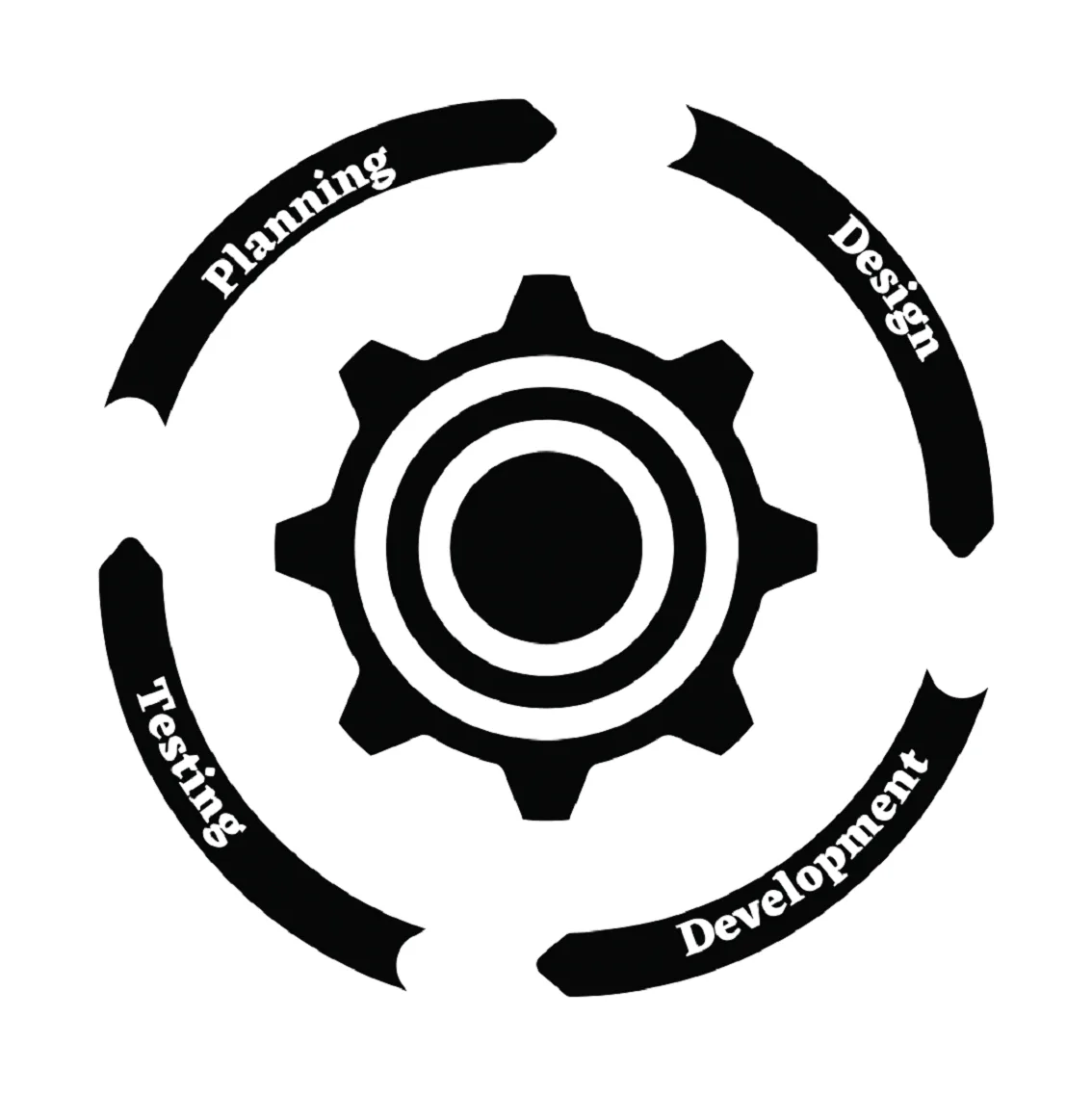
Softomate maps support goals, audits ticket data, connects helpdesk platforms and launches NLP automation in short delivery phases. Support leads, IT contacts, compliance owners and agents stay involved from discovery through optimisation, so deployment matches workflow, compliance and reporting requirements.

Softomate customer support automation delivery methodology for London businesses

Discover

Customer support automation discovery workshop London

Support goals, ticket data, compliance requirements and Zendesk or Salesforce integration scope are mapped in discovery workshops with support managers, IT contacts and compliance leads. Discovery produces a ticket data audit, integration inventory, query category analysis and UK GDPR data flow map before scope approval.

Plan

Support automation project planning and roadmap

Automation scope, containment rate targets, SLA rules and UK GDPR compliance requirements are agreed with stakeholders, data owners and IT leads during planning. Planning produces a delivery roadmap, NLP training data specification, escalation logic and PECR consent controls before build starts.

Design

NLP intent model and escalation path design for support automation

NLP intent model architecture, sentiment analysis rules, escalation paths and Zendesk or Salesforce field mappings are designed with support leads and compliance owners. Design produces approved intent taxonomy, escalation scripts, consent controls and data retention rules before build work starts.

Build and Integrate

Building NLP automation and Zendesk integration for support teams

NLP classification models, REST API integrations and webhook routing are built in short sprints with client IT contacts and platform owners. Build work produces a staging automation environment, connected Zendesk or Salesforce endpoints, sentiment analysis events and SLA trigger configurations before UAT.

Launch and Optimise

Support automation launch and weekly optimisation cycles

Live deployment, CSAT monitoring and NLP model tuning happen after user acceptance sign-off with support leads, agents and compliance reviewers. Launch work produces a production pipeline, dashboard reporting, training documentation and an optimisation backlog for containment rate, SLA performance and escalation quality targets.

07. Why Choose Us

Why Softomate

deco2
Softomate AI customer support automation specialist LondonSoftomate team building customer support automation for London businesses
UK GDPR and PECR compliance expertise for AI support automation

Compliance-First NLP Deployment

London-based delivery aligns every NLP classification model and Zendesk integration with UK GDPR, PECR and FCA complaint handling requirements before build starts, reducing compliance rework for regulated support teams.

Zendesk and Salesforce Service Cloud integration expertise icon

Connected Helpdesk Platform Experience

Softomate builds against Zendesk, Salesforce Service Cloud and HubSpot through REST API and OAuth 2.0, so NLP automation operates as a connected workflow rather than an isolated tool sitting outside your existing platforms.

Sentiment analysis and complaint detection capability icon

Complaint Detection Built In

Sentiment analysis and NLP entity extraction identify complaint language before any agent reads the ticket, giving regulated service teams earlier visibility and faster FCA-compliant escalation paths from day one of deployment.

Measurable customer support automation outcomes icon

Measurable Support Improvements

Softomate deployments commonly cut first-response time from four hours to under sixty seconds and reduce complaint triage from two working days to under thirty minutes within ninety days of go-live.

Fixed-price support automation delivery icon

Fixed-Price Proposals After Discovery

Softomate quotes fixed project pricing after the discovery session, so automation scope, integration cost and deployment timeline stay clear from the first sprint through to the post-launch optimisation period.

Weekly support automation optimisation and CSAT monitoring icon

Weekly Optimisation Visibility

Containment rate, CSAT, escalation quality and source gaps are reviewed weekly, so NLP model improvement stays tied to measurable support outcomes throughout the post-launch period.

08. AI Use Cases

NLP and Sentiment Use Cases Across UK Support Operations

Customer support automation deployments use NLP intent classification, sentiment analysis and REST API integrations to resolve tickets, detect complaints and route escalations across Zendesk, Salesforce Service Cloud and HubSpot. The architecture suits service desks, regulated support teams and multi-channel operations across London and wider UK markets. Softomate clients commonly cut first-response time from four hours to under sixty seconds within ninety days.

NLP intent classification for Zendesk ticket triage and automated routing

Zendesk Ticket Triage with NLP Intent Classification

NLP intent classification processes inbound email and chat messages, assigns intent labels and routes tickets to the correct Zendesk queue without manual reading. REST API writes intent scores and urgency labels into ticket fields before any agent views the case. Softomate clients typically reduce manual triage time from ninety minutes per batch to under ten minutes, with routing accuracy above ninety per cent within thirty days of deployment.

Sentiment analysis complaint detection for FCA regulated support teams

Complaint Detection with Sentiment Analysis for Regulated Teams

Sentiment models identify complaint language, frustration markers and vulnerability phrases across inbound messages, triggering priority escalation into Salesforce Service Cloud with SLA timers starting automatically. FCA complaint routing rules and transcript tagging create audit-ready records. Softomate clients often reduce complaint triage time from two working days to under thirty minutes after deployment across regulated service queues.

Automated FAQ resolution through HubSpot and Zendesk knowledge base automation

Automated FAQ Resolution Through Zendesk Knowledge Base

Automated resolution workflows match classified intents to approved Zendesk knowledge base articles and send accurate replies without agent involvement. Confidence thresholds route low-certainty queries to agents with full context attached. Softomate clients typically raise containment rate from thirty per cent to sixty-five per cent within twelve weeks of deployment as knowledge gaps are identified and filled through optimisation cycles.

SLA automation and CSAT tracking through Salesforce Service Cloud webhooks

SLA and CSAT Automation Through Salesforce Service Cloud

SLA timer events and CSAT survey triggers fire from classification and resolution events, writing accurate performance data into Salesforce Service Cloud dashboards without manual entry. Escalation quality reports and containment trends update in real time. Softomate clients eliminate manual end-of-shift reporting, freeing support managers to focus on coaching and knowledge improvement rather than data compilation.

09. FAQs

Common Questions About Customer Support Automation Using AI

AI customer support automation uses NLP intent classification to read inbound messages, identify query type and urgency, then either resolve the query automatically or route it to the correct agent. Zendesk, Salesforce Service Cloud or HubSpot receive ticket data and context via REST API or webhook without manual triage. Sentiment analysis flags complaint language and vulnerability indicators for escalation. Softomate builds the classification model on your historical ticket data, so accuracy reflects your actual customer query patterns from day one. UK GDPR and PECR compliance controls govern all personal data processed through the automation pipeline. Clients typically reduce first-response time from four hours to under sixty seconds within ninety days of deployment.

Between sixty and eighty per cent of inbound support queries can be resolved automatically depending on query type, industry and knowledge base quality. High-volume repetitive queries such as order status, FAQ responses, appointment changes and account resets have the highest automation rates. Softomate conducts a ticket data audit before build, producing an accurate automation rate estimate for your specific query mix. Complex, sensitive or regulated queries route to human agents with full conversation context and intent labels attached. The first optimisation cycle typically raises containment rate by ten to fifteen per cent as knowledge gaps are identified and filled. A discovery session produces a realistic baseline projection before any development commitment.

Softomate integrates AI customer support automation with Zendesk, Salesforce Service Cloud, HubSpot, Intercom and bespoke CRM systems via REST API and webhook. Email, live chat, WhatsApp Business API and web chat channels connect into a single AI-managed queue. Ticket data, intent labels, sentiment scores and conversation summaries write into Zendesk or Salesforce records automatically after each interaction. UK GDPR and PECR compliance controls govern all personal data flowing through integrations. SLA tracking and CSAT trigger events feed existing reporting dashboards without manual entry. Softomate maps field mappings, authentication rules and fallback behaviour during a pre-build technical workshop.

Yes. Softomate builds AI customer support automation with UK GDPR and PECR compliance as design requirements, not afterthoughts. Personal data processed by NLP models operates under a documented lawful basis. Consent capture, data minimisation and retention schedules are mapped during discovery. AES-256 encryption protects data in transit and at rest. OAuth 2.0 tokens restrict access to case data inside Zendesk or Salesforce Service Cloud. PECR consent flags are added when support journeys hand off into marketing workflows. Subject access request and deletion rules are configured before launch. A compliance review runs before go-live and again after thirty days of live traffic.

A standard deployment takes four to eight weeks from discovery to go-live. Discovery and planning map business goals, ticket data, compliance requirements and Zendesk or Salesforce integration scope in the first week. NLP model training on historical ticket data and knowledge base preparation normally take two to three weeks. Build work covers REST API integrations, webhook routing, sentiment analysis configuration and SLA automation. UAT, content revisions and launch preparation add five to ten working days. Larger deployments with multiple channels, multilingual NLP or complex escalation logic take ten to fourteen weeks. A scoped project plan with milestones is agreed at the proposal stage before build starts.

AI customer support automation for London businesses typically starts at £5,500 and rises with NLP complexity, channel count and integration scope. A focused FAQ and routing automation for one channel costs less than a multi-channel support assistant with sentiment analysis and Salesforce Service Cloud integration. Ongoing costs cover hosting, model monitoring, content updates and retraining. Softomate provides fixed-price proposals after a discovery session, so scope and outputs stay clear from the first sprint. Most clients recover setup cost within three to six months through reduced agent hours and faster resolution times. A short discovery session produces a defined budget range before any build work begins.

Yes. NLP entity extraction identifies complaint language, sentiment markers and vulnerability phrases in incoming messages before any agent reads them. Complaint flags trigger priority escalation paths into Zendesk or Salesforce Service Cloud, with SLA timers starting automatically. Named human escalation routes and transcript tagging create FCA-compliant complaint handling records for regulated service teams. Softomate clients typically reduce complaint triage time from two working days to under thirty minutes after launch. Prompt guardrails and confidence thresholds prevent the automation from responding to complaint scenarios beyond approved scope. Weekly optimisation reviews refine intent models and escalation rules based on live traffic patterns.

10. Results

Results and Case Studies

UK Insurance Firm: First-Response Time Cut from 4 Hours to 48 Seconds

A UK insurance firm with a 12-agent support team cut first-response time from four hours to forty-eight seconds within ten weeks after NLP triage and Zendesk routing automation launched. Manual triage time fell from ninety minutes per shift to under eight minutes. Complaint detection via sentiment analysis reduced FCA complaint triage from forty-eight hours to under thirty-five minutes across regulated service queues.

London SaaS Platform: 65 Per Cent Query Containment in Twelve Weeks

A London SaaS platform with 8,000 active users achieved a sixty-five per cent query containment rate within twelve weeks after automated FAQ resolution and Zendesk knowledge base integration launched. Agent workload on repetitive queries fell by sixty per cent. CSAT scores improved from 3.6 to 4.4 within six weeks of deployment as faster, consistent responses replaced variable manual reply quality.

UK Retailer: Complaint Triage Down to 22 Minutes Across 5 Channels

A UK online retailer handling 1,200 weekly support interactions reduced complaint triage from two working days to twenty-two minutes within eight weeks after sentiment analysis and Salesforce Service Cloud automation launched. SLA breach rate fell from eighteen per cent to under three per cent. The support manager eliminated end-of-day manual reporting entirely, redirecting that time to agent coaching and knowledge base improvement.

London Letting Agency: After-Hours Enquiries Automated Without Extra Staff

A London letting agency handling 300 weekly inbound enquiries automated after-hours responses and next-day routing without additional staffing after NLP intent classification and HubSpot integration launched. Tenants received instant acknowledgements outside office hours with appointment booking options. Enquiry-to-viewing conversion improved by fourteen per cent within thirty days as after-hours leads received faster follow-up than any competitor response.

Related Blog Articles

Let's talk about customer support automation using AI in London for service desks, regulated support teams and multi-channel operations. NLP intent classification, sentiment analysis and Zendesk REST API integration can cut first-response time, raise containment rates and remove manual triage from your team's day.

Deen Dayal Yadav, founder of Softomate Solutions

Deen Dayal Yadav

Online

Hi there 👋

How can I help you?