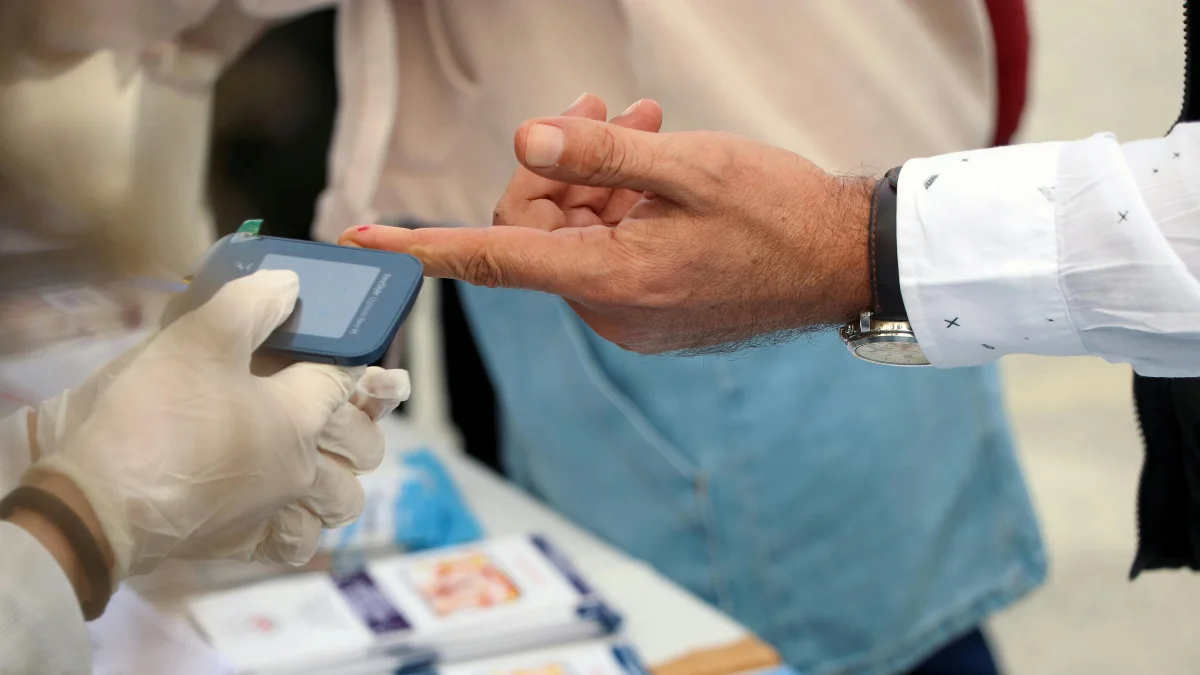
AI in UK healthcare is advancing faster in administrative and operational applications than in clinical decision support, and for good reason. Administrative automation (appointment scheduling, patient communication, documentation processing, referral management) carries significantly lower risk than clinical AI and is subject to a more straightforward regulatory pathway. NHS trusts and private healthcare providers that have deployed AI in administrative workflows in 2024 and 2025 are seeing 30% to 50% reductions in administrative staff time on the automated tasks, faster patient access, and improved data accuracy. This guide covers what is being deployed, what the regulatory requirements are, and where the boundaries currently lie.
Administrative Applications: The Lowest-Risk, Highest-Value Starting Point
Appointment Scheduling and Management
AI scheduling systems handle inbound appointment requests, check clinician availability, book appointments, send confirmation and reminder messages, process reschedule and cancellation requests, and fill cancellation slots automatically from waiting lists. NHS community health services and GP practices using AI appointment management report 40% to 60% reduction in administrative call volume and 20% to 35% improvement in appointment utilisation rates as cancellation slots are filled faster. (NHS England Digital, 2025.)
The GDPR consideration: appointment data includes health-related personal data (the fact that a person has an appointment with a specific clinical service is sensitive data under UK GDPR Article 9). Process this data under an explicit consent basis or under the healthcare provision basis (Article 9(2)(h)), and ensure the AI system's access to appointment and patient data is scoped to the minimum necessary for the scheduling function.
Patient Communication Automation
AI messaging systems send appointment reminders, post-appointment follow-up messages, screening invitation letters, results notification messages (for non-clinical results such as administrative confirmation that samples were received), and patient satisfaction surveys. For NHS trusts managing communications to hundreds of thousands of patients, AI communication automation reduces the administrative burden of manual letter and message production significantly while improving consistency and timing.
Referral Processing and Triage Administration
AI systems read incoming referral letters, extract the clinical information, categorise by urgency and specialty, assign to the correct clinical pathway, and generate the acknowledgement to the referring clinician. The AI does not make clinical triage decisions: a clinician reviews the categorisation and confirms it. The AI reduces the time the administrative team spends on extracting and routing referral information, and reduces the time clinicians spend on administrative aspects of triage. NHS trusts piloting this approach report 45% reduction in referral processing time, with no change in the clinician review step that confirms appropriateness. (NHS Transformation Directorate, 2024.)
Clinical Documentation: The Middle Ground
AI clinical documentation tools transcribe clinical consultations, generate structured clinical notes, and draft discharge summaries and letters for clinician review. The clinician reviews, amends as needed, and approves the documentation before it enters the patient record. The AI is a documentation assistant, not an autonomous note-taker: nothing enters the patient record without clinician review and approval.
Working on something like this? Let’s talk it through.
This application has moved from pilot to production in several NHS trusts and private hospital groups in 2024 and 2025. The documented outcomes include: 15 to 25 minutes saved per consultation by reducing post-consultation documentation time, reduction in documentation-related after-hours working by clinicians, and improvement in documentation completeness and consistency. (NHS England AI in Health and Care Award recipients, 2025.)
The regulatory pathway: AI clinical documentation tools that support but do not replace clinical documentation are not classified as Medical Devices under the MHRA's AI as a Medical Device framework, provided they operate as tools assisting clinician documentation rather than as systems that create clinical records autonomously. Confirm the regulatory classification of any clinical documentation tool before deployment and maintain evidence of clinician review and approval of all AI-assisted documentation.
What UK Healthcare Organisations Must Have in Place Before AI Deployment
- Data Protection Impact Assessment: Mandatory for any AI system processing health data (Article 9 data). Must be conducted before processing begins, not after.
- NHS AI governance frameworks: NHS trusts must align AI deployments with NHS England's AI governance framework and any applicable ICB guidance. Private providers must align with CQC's quality and safety standards and demonstrate how AI-assisted processes maintain clinical safety.
- Clinical safety case (where applicable): Any AI system that could affect clinical care pathways must follow the DCB0129 (Clinical Risk Management) standard. For administrative AI with no direct clinical decision component, the clinical safety case requirements are minimal. For AI that informs or supports clinical decisions, a full clinical safety case is required.
- Staff training: All staff interacting with AI systems must understand what the system does and does not do, how to identify and report errors, and what the escalation path is when the AI produces an incorrect output.
Frequently Asked Questions
Can a private UK clinic use AI for patient triage?
AI can support administrative triage (routing enquiries to the appropriate clinical team based on the patient's stated concern) without clinical safety concerns, provided no clinical decisions are made by the AI. AI assessing clinical urgency or directing patients to specific clinical pathways based on symptoms is subject to MHRA medical device regulation and requires compliance with the AI as a Medical Device framework before deployment.
Is patient health data safe when processed by AI systems?
Health data processed by properly governed AI systems with appropriate Data Processing Agreements, data minimisation, and access controls is processed safely within UK GDPR requirements. The key requirements: the AI provider must be a data processor with a DPA in place, the data must be processed within approved geographic boundaries, and access must be limited to the minimum necessary for the specific function. Use NHS-approved suppliers where available, and validate GDPR compliance with your data protection officer before deployment.
To explore AI administrative automation for healthcare organisations, see our AI Process Automation service.
We protect the real names of all clients featured in examples and case studies. Every testimonial is from a real client.